Closer reading
Now that we have acclimatised to the space, we must engage with the rigorous science underpinning the experience. The winter cabin spa is not a mere indulgence; it is a profound biological intervention. Here, we examine the mechanics of thermotherapy, stripping away the romance to understand exactly what occurs beneath the skin.
The core principle is contrast therapy. When the body is subjected to intense environmental heat—frequently exceeding 80°C (176°F) in a traditional dry cabin—profound vasodilation occurs. Blood vessels widen, heart rate elevates mildly, and the body initiates a heavy diaphoresis (sweating) to maintain its core temperature. This process effectively mimics a cardiovascular workout, flushing the superficial vascular system and relaxing deep muscle tissues.
However, the heat is only half the equation. The immediate plunge into severe cold—a snow roll, an ice bath, or a bracing winter shower—causes violent vasoconstriction. This abrupt shift shunts blood away from the extremities and back to the core, protecting vital organs and sparking a massive release of endorphins and norepinephrine. It is this aggressive oscillation between extremes that trains the circulatory system and induces the profound state of calm that follows.
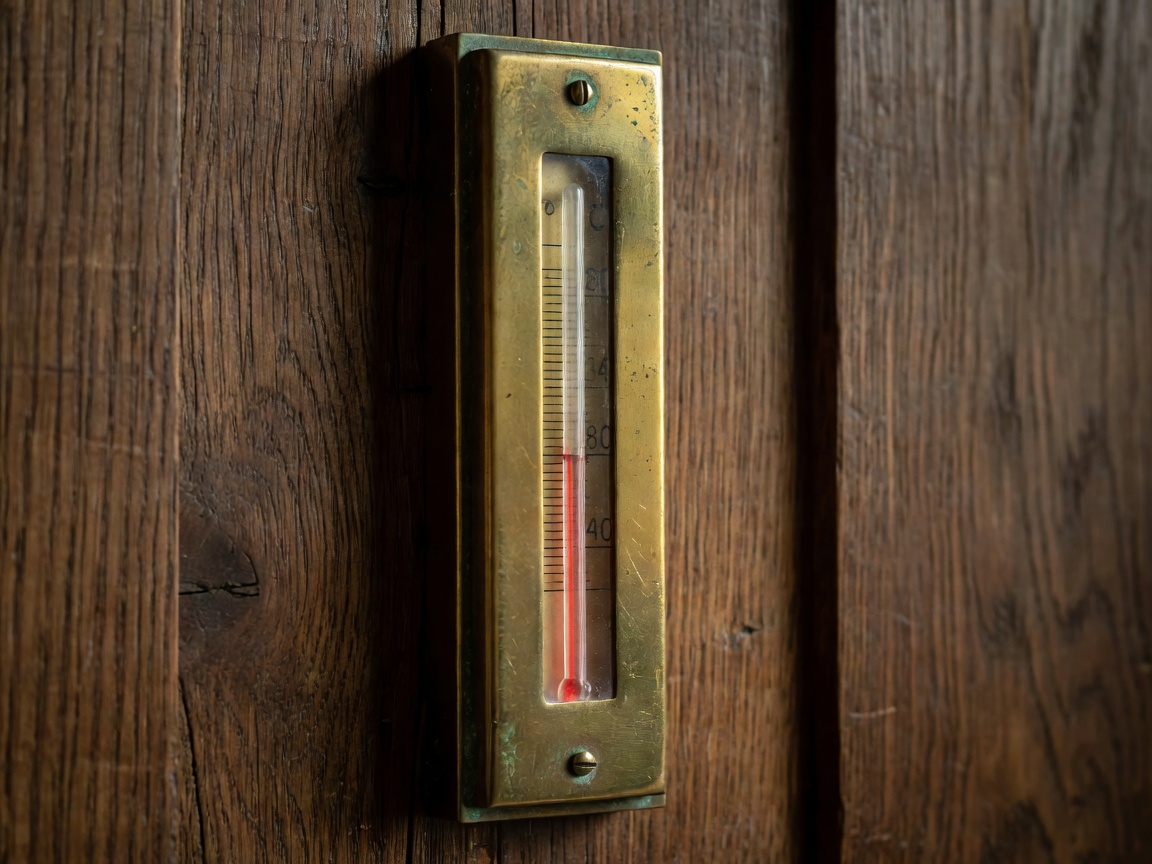
Measuring intensity
Humidity drastically alters heat perception. A dry sauna at 90°C may feel more tolerable than a 65°C room with high humidity, due to the varying efficiency of sweat evaporation.
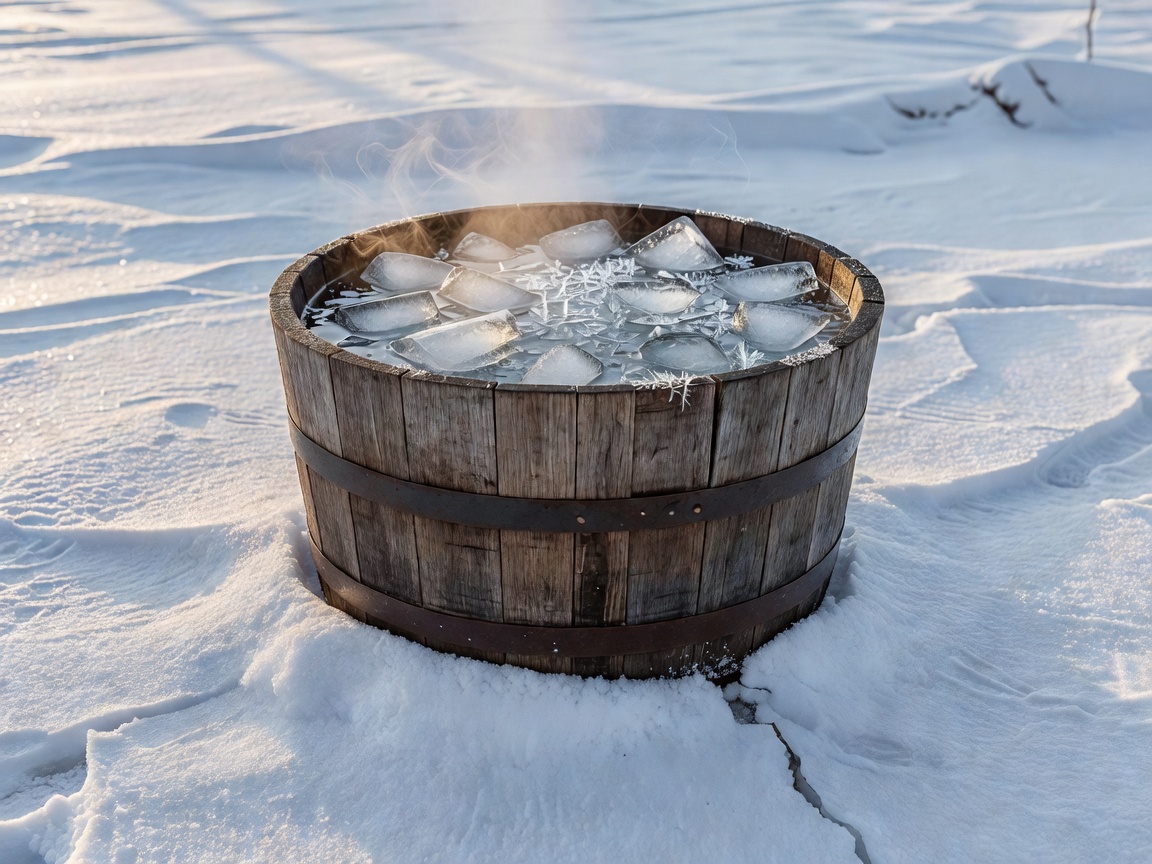
The plunge reflex
The mammalian dive reflex is triggered by cold water contact on the face, slowing the heart rate and conserving oxygen. It is a primitive, deeply ingrained survival response.