Where it all came from
We find ourselves in the library, a quiet place to reflect on the timeline of human heat exposure. The impulse to retreat into a heated wooden enclosure during the depths of winter is a remarkably consistent human thread, spanning continents and millennia.
The lineage of the modern cabin spa is most frequently traced to the Finnish sauna or the Russian banja, both of which began as rudimentary earth pits or simple log structures featuring a fire under a pile of stones. These early iterations, such as the windowless savusauna (smoke sauna), were multi-functional spaces used for bathing, curing meats, and even childbirth, owing to the sterile environment created by the intense heat and wood smoke soot.
Parallel traditions existed globally. The Roman baths utilised the hypocaust system to cycle through the tepidarium, caldarium, and frigidarium—a direct precursor to our modern contrast therapy protocols. Meanwhile, Native American sweat lodges served both a spiritual and physical cleansing purpose, demonstrating that the pursuit of profound heat transcends mere hygiene, reaching into the psychological need for renewal.
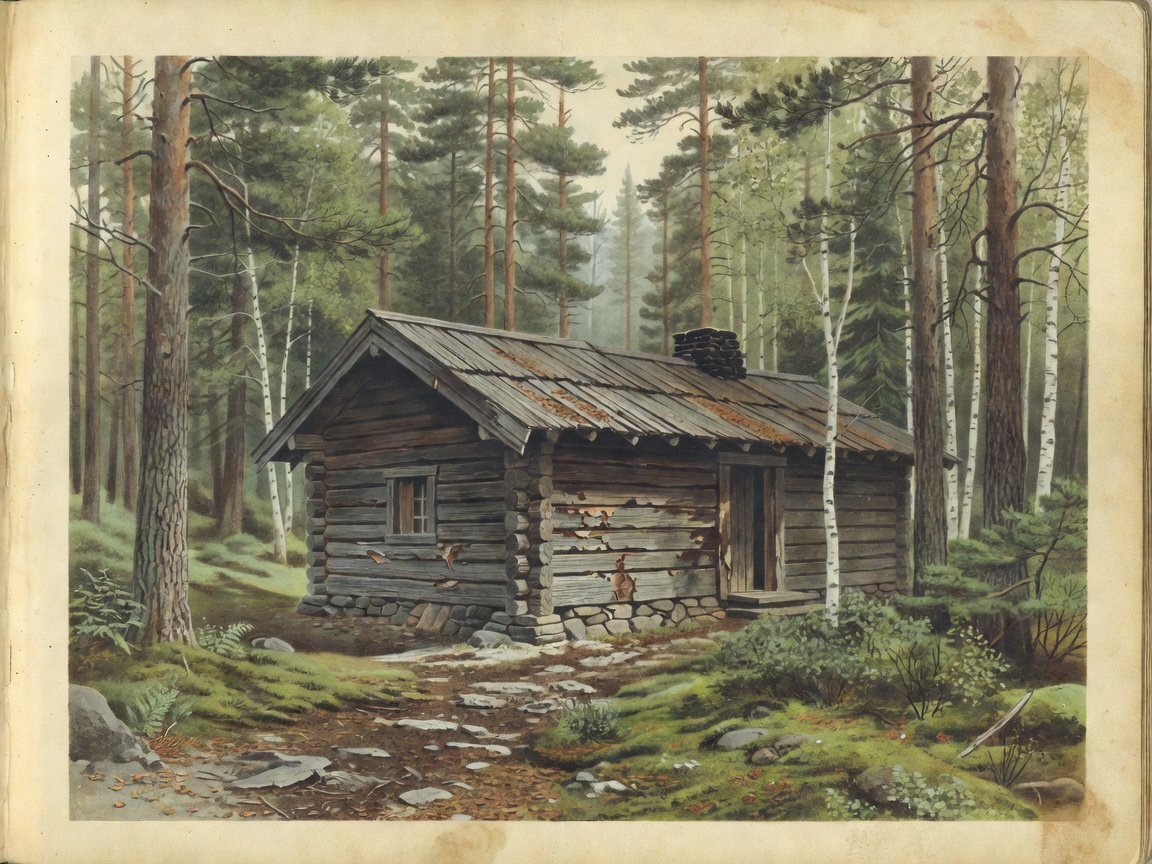
The Smoke Sauna Era
Before chimneys were commonplace, stones were heated for hours under a roaring fire inside an unvented room. The smoke was then vented, leaving a sterile, dark, and profoundly atmospheric chamber that held heat for hours.
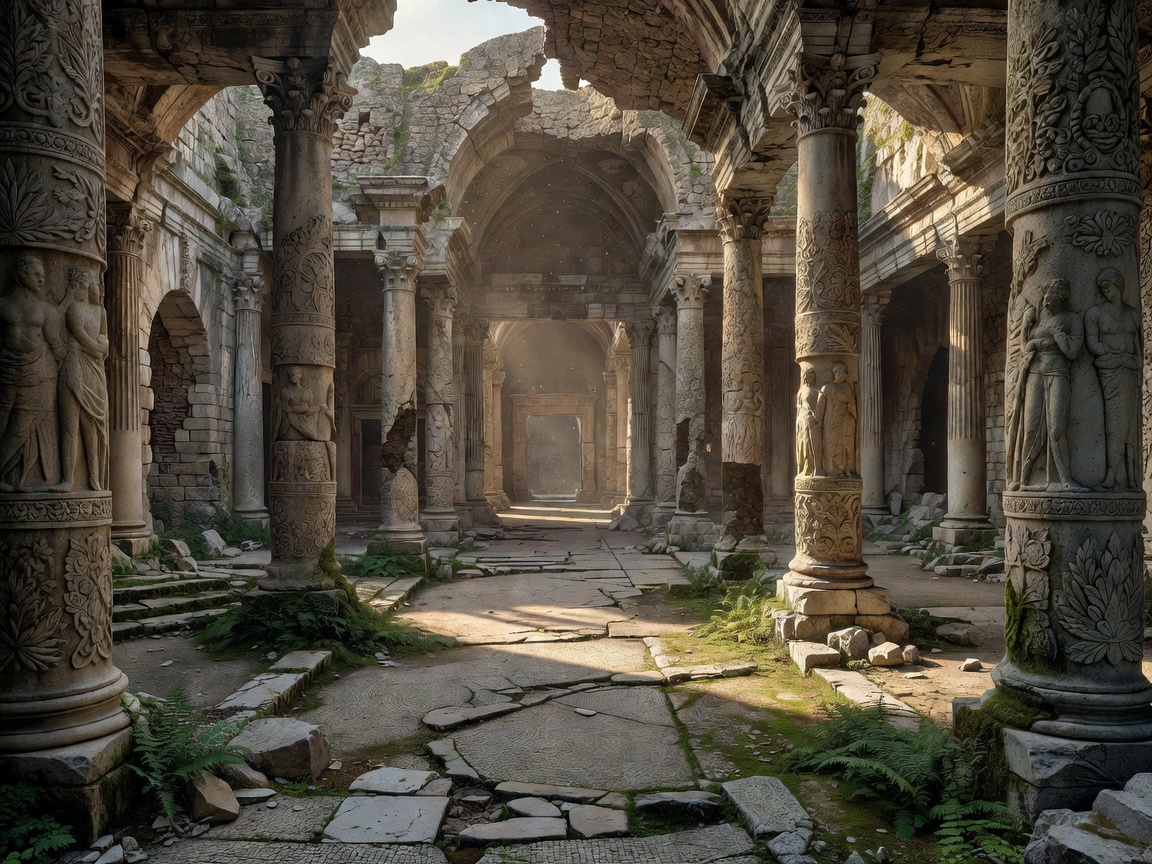
Roman Engineering
The mastery of radiant heat via the hypocaust system allowed for massive civic structures dedicated entirely to the pacing and progression of thermal bathing.