Weighing it up
Welcome to the parlour. In this room, we lay the raw materials and methodologies on the table and examine their relative merits. Designing or appreciating a winter cabin spa involves countless granular choices, none of which should be made lightly.
The choice of timber alone dictates the longevity, aroma, and thermal comfort of the room. The decision between an electric heating element and a traditional wood-fired stove alters not just the temperature, but the ritualistic chore of tending the fire. Let us review these elements logically.
| Timber Variant | Thermal Properties | Aroma Profile | Longevity |
|---|---|---|---|
| Western Red Cedar | Excellent insulator, remains cool to the touch. | Strong, spicy, traditional pine resin. | Highly resistant to rot and pests. |
| Hemlock | Good insulation, slightly denser. | Very mild, ideal for those sensitive to scent. | Prone to checking if not properly cured. |
| Nordic Spruce | Light, fast to heat. | Subtle, clean, and mildly sweet. | Can contain pitch pockets that weep resin. |
| Hinoki (Japanese Cypress) | Outstanding thermal stability. | Citrus, lemon-pine, highly prized. | Exceptional, historically used in temples. |
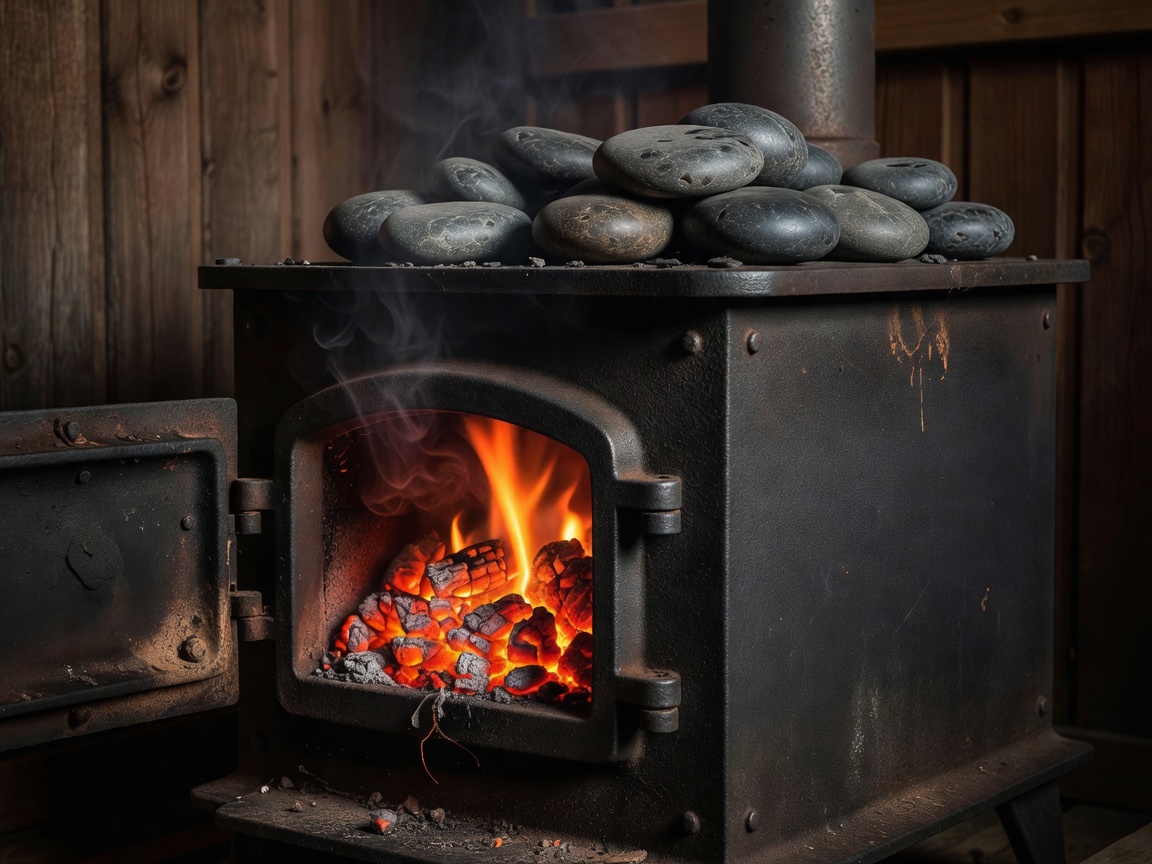
Wood-Fired Stoves
The traditionalist's choice. Requires patience, tending, and respect for airflow. It rewards the user with the scent of woodsmoke, a softer heat radiating from the cast iron, and an inherently grounding ritual.
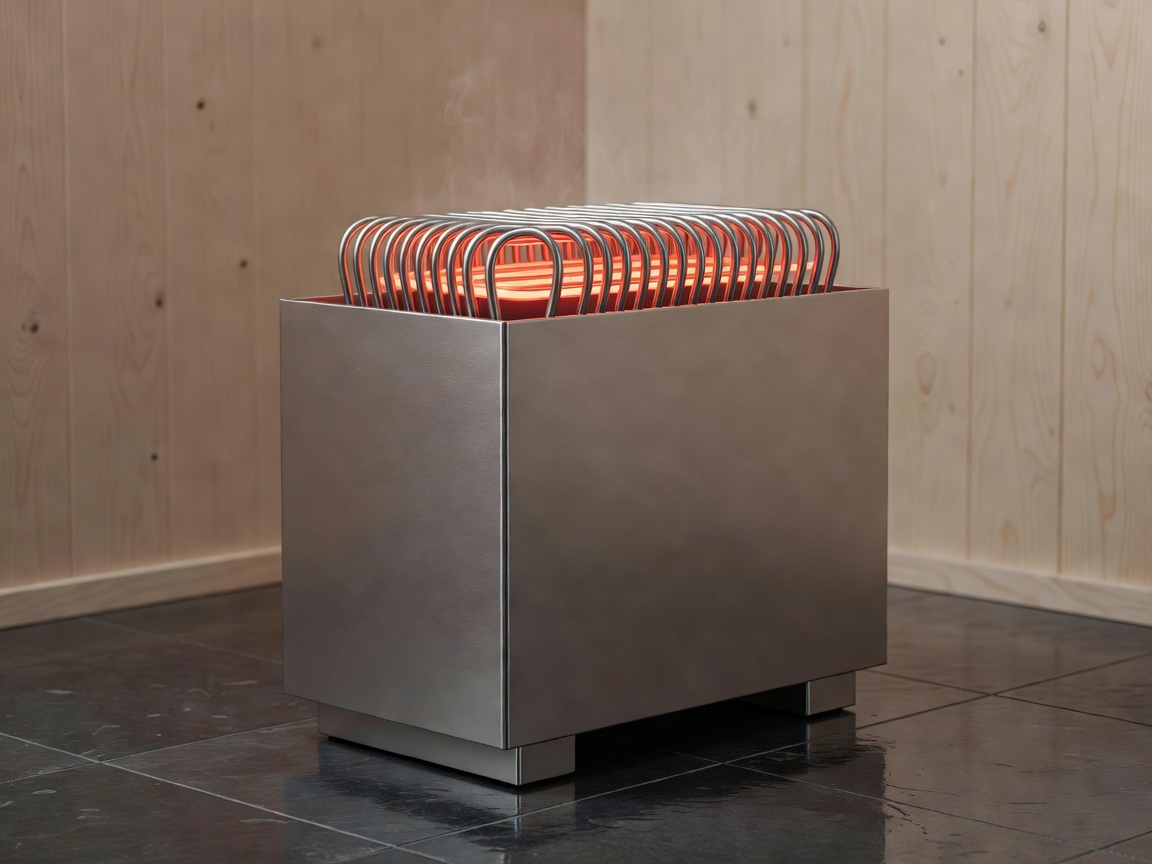
Electric Heaters
The pragmatic approach. Offers precision thermoregulation, programmable timers, and zero particulate emission. When paired with a large mass of high-quality olivine diabase stones, the steam generation is formidable.